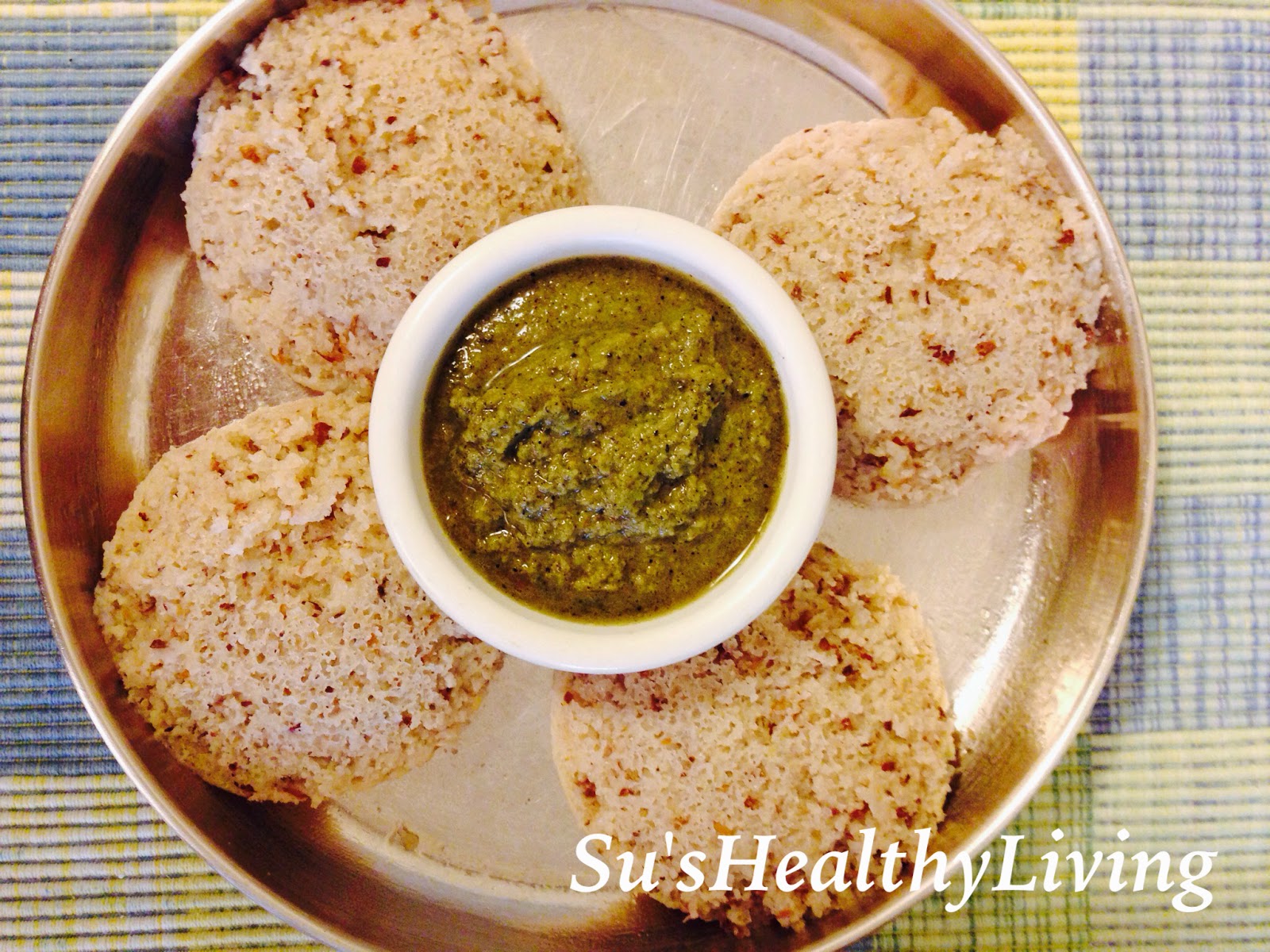
This is one recipe that screams "healthy". I have been meaning to try this for the longest now. Kulith means horse gram. We make a myriad of dishes with it. We make kulitha koddel, kulitha saaru upkari and kulitha upkari. The nomenclature is because this grain was fed to horses and cattle.Horse gram is extremely nutritious. My mother used to state that eating horse-gram would give one the strength of a horse! It is also one of the few lentils/ beans that are apparently not gassy and does not create bloating. Combine this great healthy grain with urad dal( matpe bean lentil) and rice and make idlis ( steamed rice lentil cakes) with this and you have bonus nutrition. The regular idlis just have the matpe bean lentil and rice, this has the additional nutrients. The down side is that the idlis don't look very pretty. They look like they have flax-meal in them! Taste wise, awesome! I love it!
So without further ado let me share the recipe with you. Servings: 20 idlis
Ingredients:
Kulith ( Horse Gram): 1/2 cupUrad dal: 1/2 cupIdli rava ( rice rava): 1 cupCooked rice/ poha: 1/4 cupWater: 1 to 1 1/2 cups to grind urad dal and horse gramSalt to taste ( approximately 3/4 tsp)Method:
Soak kulith ( horse gram) and urad dal for 5-6 hours.Wash idli rava/ rice rava thoroughly and keep aside.Blend kulith and urad dal in a blender adding water little at a time until it rises to 2 times the volume you started with. Make sure you give the motor of the blender some rest in between. The consistency of the ground batter should be fluffy and light ,not runny.
Pour the batter in a big bowl/ container.
Now mix the washed idli rava with the horsegram-urad dal , add salt,cover and let it ferment overnight ( 5-6 hours if in hot weather).If living in a cold region, you can keep it in the cold oven/ microwave overnight with the equipment turned off.
Next morning you can steam the idlis.Grease the idli mold with ghee/ butter/ Pam, fill it with batter until 2/3 full and steam in the idli steamer / pressure cooker ( without using the weight) for 10 minutes on medium- high flame.
Turn off the heat and let it cool down in the steamer for another 10 minutes before taking them out of the mold.
Serve hot with sambar/ chutney or both.Cooking made easy:
Well fermented batter results in soft, light and fluffy idlis. You can know this when the batter has risen a little in the container. Inadequte fermentation leads to poor quality idlis that are hard,dense and has a doughy texture.If the batter is too thick, add a little water. The consistency of the batter should be slightly thick ( thicker than dosa batter).The addition of little bit of poha/cooked rice helps ferment the idlis better making it soft an fluffy.This idli can also be made with sprouted horse gram as I have made in the pictures below. Sprouting also helps with fermentation especially during winter.Tip for healthy living:
Horse gram is extremely nutritious.Food for thought:
The only way to predict the future is to have power to shape the future.
Eric Hoffer
Whenever I make idli batter,I generally make double the amount of batter than needed for one breakfast and make extra idlis so that I can make idli upma the next day for breakfast. It is absolutely yummy especially with lots of green chillies finely chopped and fried and the distinct appetizing aroma of asofoetida (hing).Servings: 4
Ingredients:
Leftover idlis: 12 nos, crumpled fine but not mushed.Coconut oil: 1 tbspMustard seeds: 1/2 tspCurry leaves : 1 sprigUrad dal: 1/2 tsp(optional)Green chillies: 3 chopped very fineAsofoetida( good quality): a pinchShredded coconut: 2 tbspSalt :1/4 tspSugar: 1/4 tspMethod:
Heat oil in a saut� pan/ wok on medium heat. Add mustard seeds and splutter them. Now add urad dal, curry leaves and slit green chilies and saut� until the urad dal turns a little golden color ( don't let it burn). Reduce the flame to low and add the powdered idlis, salt and asofoetida. Saut� for 4-5 minutes on low heat until the idlis are a warm and you smell the nice aroma of slightly fried idlis. Now sprinkle the sugar, shredded coconut and mix well.
Serve warm. Enjoy by itself or with some chips or any numkeen.
Cooking made easy:
My husband loathes plain one texture food items. He likes his food to be colorful. To achieve this, my variation of the above Usli is the UPMA with the addition of cooked green peas just before adding the powdered idlis. This addition of veggies is also helpful with kids so that they get their vegetable intake in one dish.
Tip for healthy living:
Try to add as much variety into the foods. Variety means colors and colors means variety. When your plate is colorful and has variety in it you have a nourishing diet. Every color in food is significant as it contributes a different nutrient to our body. By being colorful, you get as many nutrients in one meal as possible.Food for thought:
Life is unpredictable. ( unknown).
Idlis are ubiquitous in South Indian homes, restaurants, cafes. There are even roadside vendors selling steaming hot idlis for pittance. Idlis can be served for breakfast, lunch or dinner.There are several ways of making idlis. The Tamilians ( people from Tamilnadu) make it soft, light and fluffy. Their batter is ground lentil and rice with/without methi seeds and beaten rice/ poha in it. Then there are the idlis that Manglorean Catholics make called sannas which are idlis with bread like texture, puffiness & lightness. This batter is made with parboiled rice and toddy is used for fermentation. Then there are idlis in between with different textures.My mother likes soft idlis , but I never liked the idlis she made. The idlis taste like a lump of steamed batter of urad dal for me. It is one of the very few things that she makes that I don't like :(I like my idlis soft but not mushy. I like them to crumble nicely with some texture. Not a lump of steamed batter! The way I make my idlis is easy with less work( grinding).Here is my version of idli that my household absolutely loves!Servings: 4
Ingredients:
Urad dal: 1/2 cupIdli rava ( rice rava): 1 cupWater: 1 to 1 1/2 cups to grind urad dalSalt to taste ( approximately 3/4 tsp)Method:
Soak Urad dal for 5-6 hours.Wash idli rava/ rice rava thoroughly and keep aside.Blend urad dal in a blender adding water little at a time until it rises to 3 times the volume you started with. Make sure you give the motor of the blender some rest in between. The consistency of the ground urad dal should be fluffy and light ,not runny.Pour the blended urad dal in a big bowl/ container.Now mix the washed idli rava with the urad dal , cover and let it sit overnight to ferment. If living in cold region, you can keep it in the cold oven/ microwave overnight.Next morning add salt to the batter and mix well.Ensure that the batter has fermented well. You can know this when the batter has risen a little in the container. Inadequte fermentation leads to poor quality idlis.If the batter is too thick, add a little water. The consistency of the batter should be slightly thick ( thicker than dosa batter).Grease the idli mold with ghee/ butter, fill it with batter until 2/3 full and steam in the idli steamer / pressure cooker ( without using the weight) for 10 minutes on medium- high flame.Turn off the heat and let it cool down in the steamer for another 10 minutes before taking them out of the mold.Serve hot with sambar/ chutney or both.
Cooking made easy:
The urad dal to rice ratio is 1:2 for raw rice rava and 1:2.5 for parboiled rice rava. This is the ratio that had worked for me .The urad dal when ground in a stone grinder is fluffier and lighter. The fluffier the urad dal, the lighter the idli.You know the idli is done( well cooked) by testing it with a toothpick. Insert a toothpick into the center of the idli. If it comes out clean, the idli is cooked well.Once you remove the idlis, place them in a airtight container/ hot box as idlis left uncovered tend to develop a dry hard crust on the top.I generally make double the amount of batter than stated above as I make idli Upma or fried idlis the next day for breakfast or evening snack.Tip for healthy living:
Idlis are inexpensive but a complete food with a perfect combination of carbohydrate and protein complementing each other. When served with chutney and sambar, it is a balanced meal providing you with all the essential dietary nutrients while being low in calories;unless of course one tops it with a dollop of butter or ghee(clarified butter).Food for thought:
Speech is silver, but silence is Golden. ( unknown).



.jpg)
.jpg)
.jpg)
.jpg)
.jpg)
.jpg)